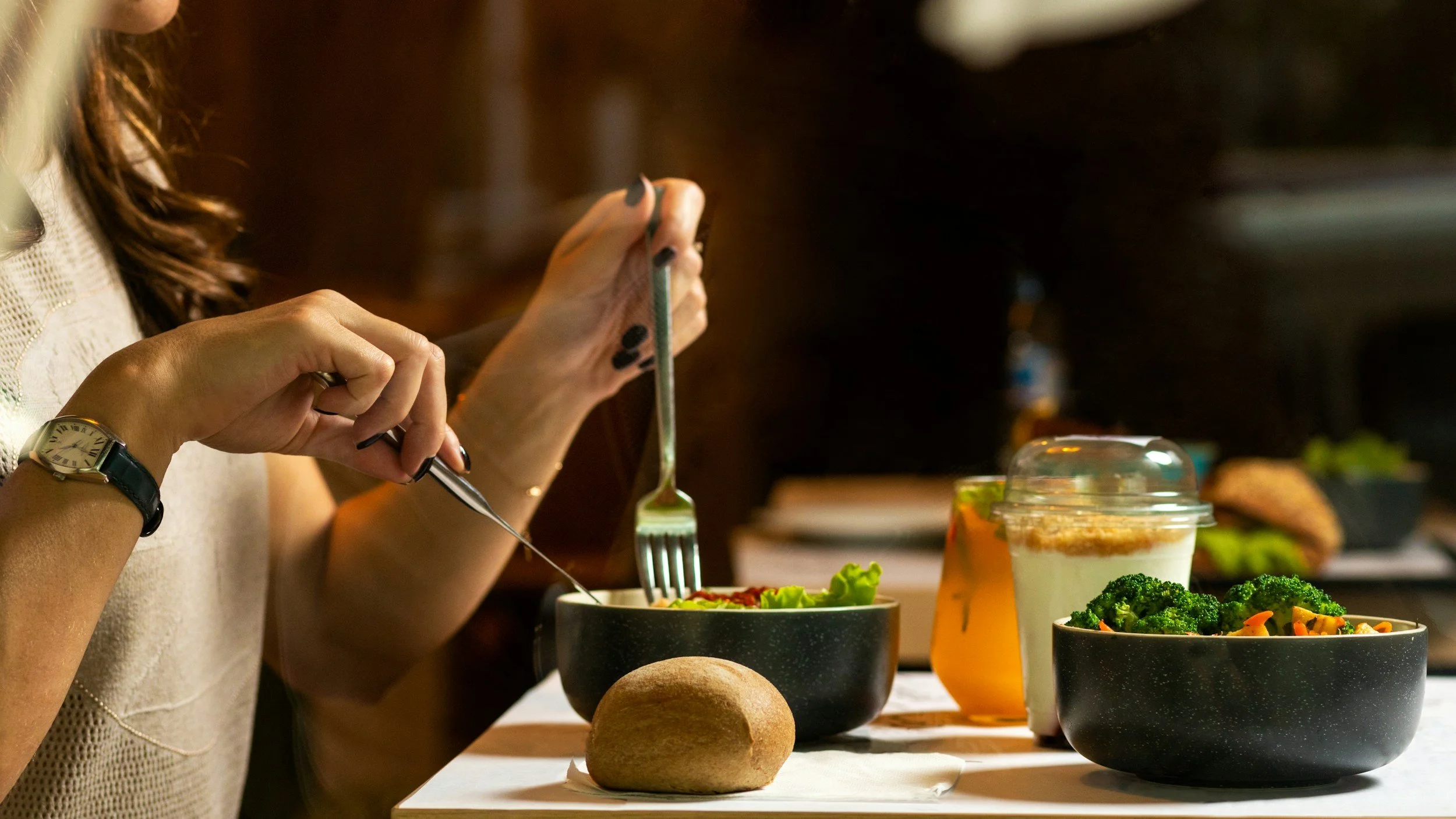

Slow Down and Savour: How to Eat Your Way Into “Rest and Digest”
You’ve done the hard part. You’re choosing nutrient-dense, properly prepared whole foods, and that’s a wonderful foundation for eating mindfully. But here’s something that often gets overlooked: how you eat matters just as much as what you eat.
You can build the most nourishing plate imaginable, but if your body isn’t in the right state to receive it, you may not get the full benefit of what’s on your fork.
Why Your State of Mind Matters
Digestion is a deep and complex process, and we’re only scratching the surface here. But one idea is worth holding onto: for food to be properly broken down and absorbed, your body needs to be in what’s called a parasympathetic state, often described as “rest and digest” mode.
Think about how many of us eat: standing at the counter, scrolling a phone, answering emails, or eating in the car between errands. In those moments, the body is busy managing stress and distraction, not settling in to digest. Shifting into a calm, relaxed state before you eat helps set the stage for better digestion and deeper nourishment.
Eat Slowly
This is the simplest place to start, and it makes a surprising difference.
Chew each bite 25 to 30 times, until the food has been liquified before you swallow. That may feel like a lot at first, and that’s completely normal. Here are a few tricks to help:
Sing the alphabet song in your head, from A to Z, as a rough guide to how long you should be chewing each bite.
Put your fork down between bites. This small habit naturally slows the pace of your meal.
The slower and more mindfully you eat, the deeper your nourishment and satisfaction.
Shifting Into “Rest and Digest” Mode
Here are some gentle ways to move your nervous system into a parasympathetic state before, during, and after your meal:
Set the scene
Sit down at the table instead of standing.
Avoid eating on the run or in the car.
Skip the multitasking. Turn off phones, computers, and televisions.
Take a moment to arrive
Take a few deep breaths before your first bite.
Feel gratitude for what you’re about to eat. A short meditation or saying grace can be lovely here, if that suits your beliefs.
Try a little self-massage. Lightly rub the area just behind and below your earlobes. This can help stimulate the vagus nerve, which sends signals throughout the digestive tract.
Engage Your Senses
Before you take that first bite, pause and really look at your food.
How does it look?
How does it smell?
What are the colours like?
Then take your first bite and stay curious:
What textures do you notice?
What tastes come through?
What is the temperature like?
As you continue through your meal, savour it like a fine wine. Notice how flavours shift and unfold. This kind of attention doesn’t just calm the nervous system; it makes eating far more enjoyable.
Start Small
You don’t need to overhaul every meal overnight. Pick one thing to try at your next meal, whether that’s sitting down without your phone, taking three deep breaths, or putting your fork down between bites. Small shifts add up.
Nourishment isn’t just about what’s on your plate. It’s about creating the space to truly receive it.
Source: Nutritional Therapy Association of Australia and New Zealand.